
Choosing an NDIS day program in Perth
By Diego Reyes · Updated 2026-07-27
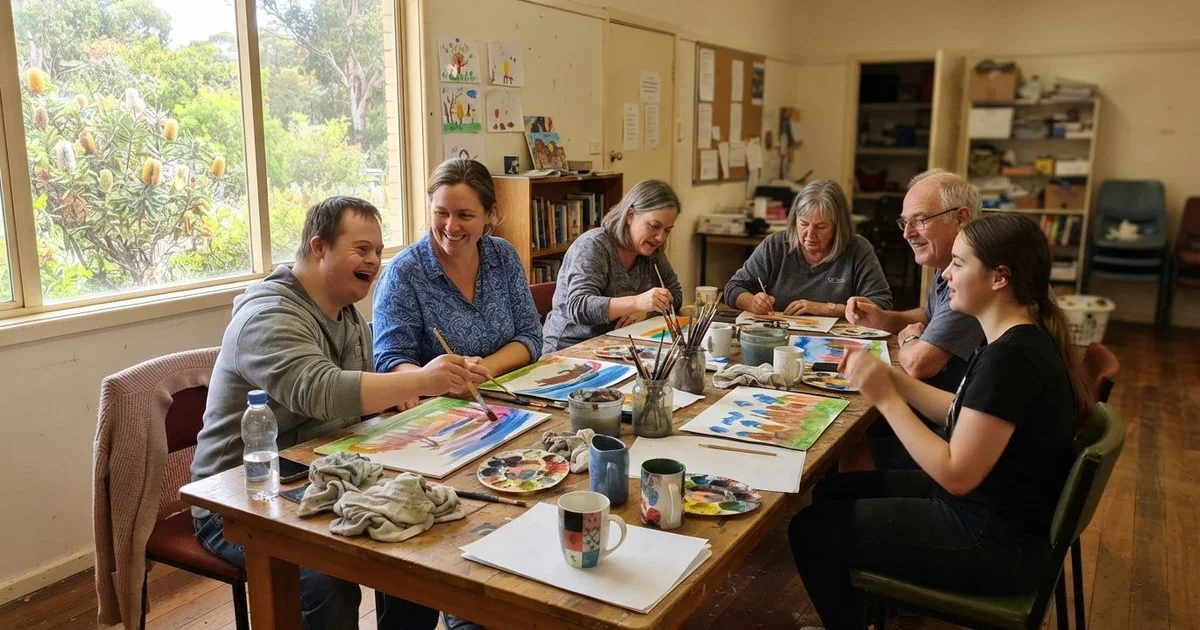
A day program can mean very different things depending on the provider, ranging from structured group activities in a centre to one-on-one outings in the community. Knowing what’s actually on offer, and what questions separate a genuinely good fit from a program that just fills time, makes the search a lot faster.
The main program types
Group-based centre activities bring several participants together for structured sessions, often the most cost-effective option since staff support is shared. Community access programs focus on outings and participation in the wider community, shopping, recreation, appointments, which usually costs a bit more given the logistics involved. One-to-one support is the most individualised and the most expensive, since a staff member is dedicated to a single participant rather than a group.
What drives the cost
As a rough guide, group-based sessions sit at the lower end of typical day program pricing, community access outings run somewhat higher given the extra logistics, and one-to-one support costs noticeably more again, sometimes closer to double a group rate for the same number of hours. This is a general pattern rather than a fixed price; actual costs depend on staffing ratios and the specific activities a provider runs, so it’s worth getting a written breakdown rather than assuming a standard rate applies.
| Program type | Relative cost | Best fit for |
|---|---|---|
| Group-based centre activities | Lower | Enjoys structured group settings |
| Community access outings | Moderate | Wants variety and community involvement |
| One-to-one support | Higher | Needs individualised attention or has complex needs |
What a good session actually looks like
Ask a provider to describe an ordinary session in detail rather than accepting a general description of “activities and social time.” A strong program has a genuine structure, activities chosen with participant input rather than whatever’s easiest to run, and staff who are engaged rather than just supervising from the sidelines. If you can visit or observe a session before committing, that tells you more than any brochure.
Questions worth asking before you commit
Ask about the staff-to-participant ratio and whether it changes for different activities, since some outings need closer supervision than centre-based sessions. Ask how the program handles a participant who isn’t enjoying an activity, whether there’s flexibility to adjust, or whether everyone follows the same schedule regardless of individual interest. And ask what happens if a participant needs a break from the group, whether there’s a quiet space or a staff member available one-on-one when it’s needed.
Watching for signs of a poor fit
Inconsistent quality between sessions is a common frustration, one week feels engaging and well-run, the next feels understaffed or repetitive. If that pattern shows up early, it’s worth raising directly rather than assuming it will settle. A program that can’t explain what changed between a good week and a poor one is a weaker sign than one that acknowledges the gap and addresses it.
Trying before you commit
Where possible, ask whether a trial session or short-term arrangement is available before signing on for the longer term. A single visit as an observer tells you something, but actually attending a session, even once, gives a much clearer sense of the pace, the noise level, and how staff respond when something doesn’t go to plan. It’s a small ask that most established providers are used to accommodating.
What families and support workers can add
If someone else, a family member, guardian or support worker, is helping choose a program, it’s worth involving the participant directly in the decision wherever possible, even if that just means sitting in on a visit and asking what they thought afterward. A day program someone actually wants to attend tends to produce far better outcomes than one that’s simply the most convenient option logistically. A support coordinator can also help shortlist and trial options if you’d rather not do that legwork alone; see our guide on what a support coordinator actually does.
Getting the balance right
Some participants thrive with daily attendance; others do better with a lighter schedule alongside other supports like therapy or in-home care. There’s no universally correct frequency, it depends on energy levels, other commitments, and what actually feels engaging rather than draining. It’s worth revisiting the schedule every few months rather than locking in an arrangement and never reassessing whether it’s still the right fit.
Comparing a few options in the Community Access & Day Programs category, ideally including a visit or trial session where possible, tends to surface these differences before you commit to a longer-term arrangement. Our methodology explains how listings are assessed across the directory, and the homepage has the wider set of disability service categories in Perth if a day program is one part of a broader support plan.
Frequently asked questions
- What's the difference between a group program and one-to-one support?
- Group programs share staff across several participants and tend to cost less, while one-to-one support is more individualised and generally costs more, since staffing is dedicated to one person.
- How many days a week should a day program run?
- It depends entirely on the person's goals, energy levels and other commitments; some participants attend daily, others just once or twice a week alongside other supports.
- Can I try a program before committing long term?
- Many providers allow a trial session or short-term arrangement first, and it's worth asking directly, since fit matters more than any brochure can convey.
- What if the program isn't the right fit after starting?
- It's reasonable to raise concerns with the provider or switch programs; day programs work best when they're genuinely engaging, not just a way to fill hours.