
Community Access & Day Programs in Perth
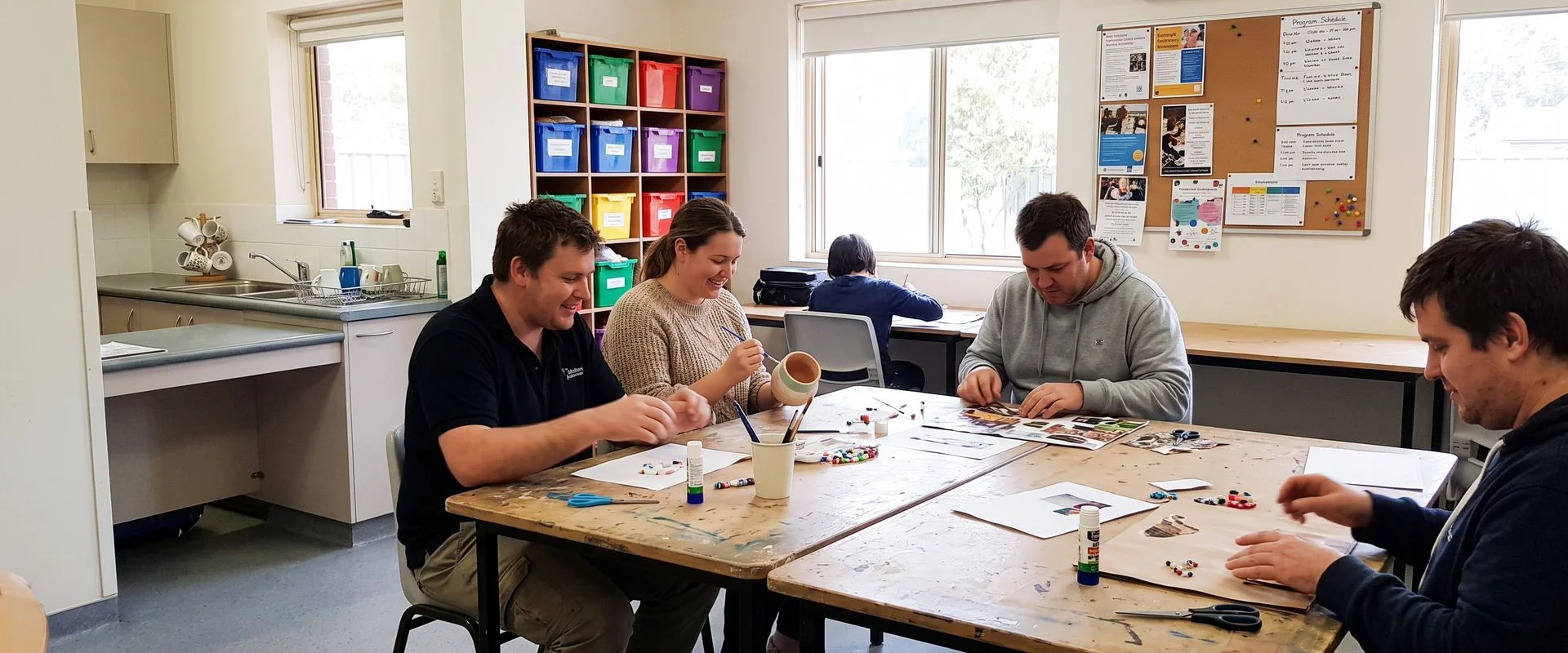
Community access and day programs help people with disability get out into the community, build skills, and keep a regular routine, whether that's a centre-based day program, one-on-one support to attend classes and appointments, group outings, or supported participation in sport, art, and social groups. Most providers in Perth deliver this under NDIS core supports, either as group-based activities (shared cost between participants) or one-on-one community access, and many run a mix of both across a weekly timetable.
With 57 providers listed in this category, the range is wide: some run structured day centres with set programs and transport included, others focus on flexible, individually tailored outings and skill-building, and some specialise in particular groups, such as younger adults, older participants, or people with complex support needs. The right fit depends less on which provider is "biggest" and more on whether their program style, group size, and location actually suit the person using it.
What to look for in a provider
- Staff ratios and consistency: ask whether you'll see the same support workers regularly, and what the staff-to-participant ratio looks like for both group and one-on-one activities.
- Transport: check if pickup and drop-off is included, what vehicles are used, and how far their transport radius extends across Perth.
- Program variety and flexibility: a good provider can show you an actual weekly or monthly activity calendar, not just a general description, and can adjust the plan as goals change.
- Location and travel time: a centre or hub closer to home usually means more reliable attendance and less fatigue from long transport legs.
- Experience with specific needs: ask directly about their experience with the person's disability type, communication needs, or behaviour support requirements.
- How they report progress: ask how often you'll get updates on goals, incidents, and how the program is tracking against the NDIS plan.
Our ranked guide to Perth's best disability service providers shortlists providers across community access and other categories based on consistent, published criteria, not paid placement. The full scoring approach, including what we weigh and how we verify it, is explained on our methodology page, so you can see exactly why a provider ranks where it does before you pick up the phone.
Find community access & day programs for your needs
No cost, no obligation. Tell us what you're looking for and we'll connect you with suitable providers in your area.
All community access & day programs, ranked by score and relevance
We found 57 businesses offering community access & day programs; 53 met the criteria for the scored directory. The order weighs each business's overall score by how much of its reviewed work is community access & day programs, so a lower-scored specialist can rank above a higher-scored generalist. Filter and sort below, or open the full map view.






































Your inquiry from this site's forms may be shared with partner providers qualified to do the work. We may receive a referral fee, but our rankings and scores are determined by our published methodology only and are never affected by referral fees.
Common questions about community access & day programs
- How much does a community access or day program cost in Perth?
- Most providers charge against NDIS core support line items, with group-based activities usually cheaper per hour than one-on-one support because the cost is shared across participants. Exact rates depend on the provider and whether transport, meals, or specialist staff are included, so always ask for an itemised quote against your plan's core budget before signing on.
- How often do people attend a day program?
- It varies a lot by need and plan funding, from one or two days a week to a full five-day schedule. Many people start with one or two sessions to see if the program and group suit them, then increase frequency once it's clear the routine, transport, and activities are working.
- What should I expect from a first session or trial?
- A reasonable provider will offer an intro visit or trial day before committing, introduce the support workers who'll actually be involved, and walk through a sample activity schedule. You should leave knowing the group size, transport arrangement, and who to contact if something isn't working.
- How do I judge whether a provider is any good?
- Look past the marketing and ask for specifics: staff turnover and consistency, how they handle a bad day or behaviour incident, how progress toward NDIS goals gets reported, and whether current families or participants can speak to their experience. Our ranked guide and methodology page set out the criteria we use, which is a useful starting checklist even if you're comparing providers on your own.
Guides to choosing community access & day programs
- Choosing an NDIS day program in Perth
What a good day program or community access program looks like, the different program types in Perth, and the questions to ask before you commit.