
What does a support coordinator do?
By Diego Reyes · Updated 2026-06-16
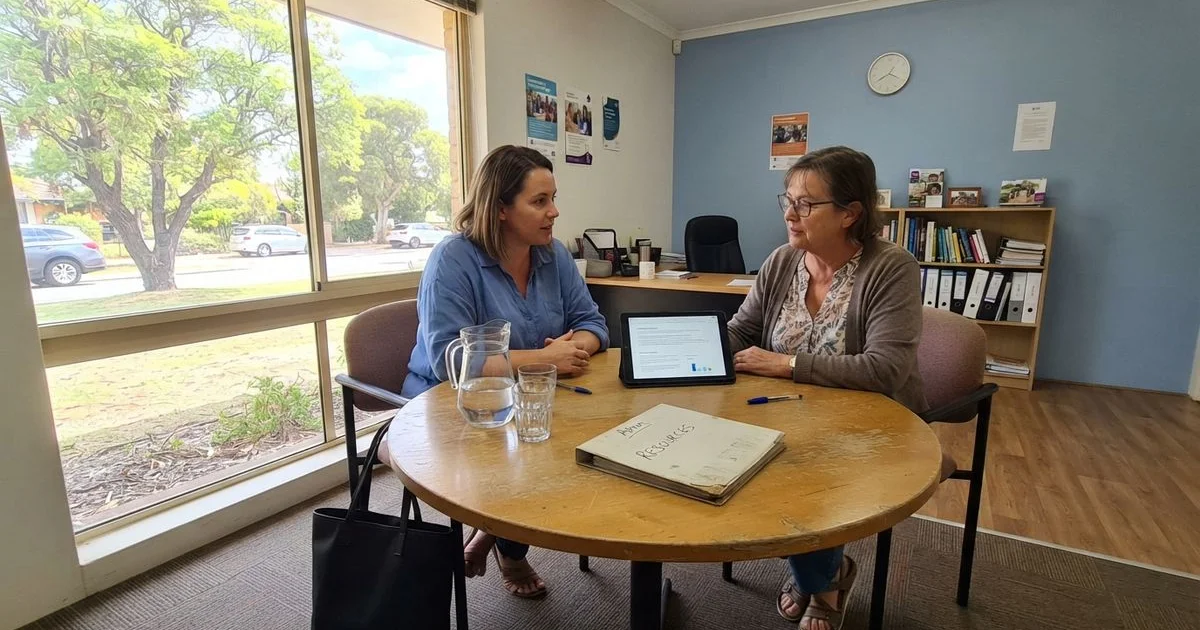
If your NDIS plan has just landed and it includes a line for support coordination, you might be wondering what that actually buys you. It isn’t therapy, it isn’t personal care, and it isn’t someone who takes over your decisions. It’s closer to a project manager for your plan: someone whose job is to help you turn a document full of funding categories into a working set of supports.
What the role covers
A support coordinator in Perth typically helps with three things. First, they help you understand what your plan actually funds and how the categories work, translating NDIA language into something you can act on. Second, they help you find and set up providers, whether that’s an allied health team, in-home support, or a support coordination service itself if you’re coordinating supports for someone else. Third, they keep an eye on how your plan is tracking so nothing lapses unused before a review.
Some coordinators also step in when things go wrong, helping you resolve a dispute with a provider or prepare for a plan reassessment. That crisis-response role exists, but it’s a smaller part of the job than most people expect walking in.
Who actually needs it
Not every plan includes support coordination, and that’s by design. The NDIA tends to fund it for people who are new to the scheme, managing several providers at once, or dealing with a more complex situation such as overlapping health, housing and disability supports. If you’ve been on the NDIS for years with a stable, simple set of supports, you may not need it at all, and a plan manager alone might be enough.
What a good first month looks like
A coordinator who’s doing the job well will usually start by mapping out your goals against your funding, then working through a shortlist of providers with you rather than simply handing you a list of names. Expect a written summary of what’s been actioned, roughly how many hours have been used, and what’s still open. If a month goes by and you can’t say what your coordinator has actually done, that’s worth raising directly with them.
| What to expect | Rough timing |
|---|---|
| Initial goals and funding review | First 1-2 weeks |
| Shortlisting and contacting providers | Weeks 2-4 |
| First services starting | Within 4-6 weeks |
| Progress check-in | Around the mid-point of your plan |
Getting the most out of the relationship
Come to the first meeting with a rough list of what isn’t working in your day-to-day life, even if you don’t know which NDIS category it fits under. A capable coordinator will do the translating. Ask how they’ll communicate with you between check-ins and how quickly they typically respond to calls or messages, since slow, patchy communication is one of the more common frustrations participants report with support services generally. Agreeing on that upfront saves a lot of friction later.
It also helps to ask what happens if a provider they’ve connected you with isn’t a good fit. A coordinator who treats that as a normal, fixable problem, rather than something to be defensive about, is usually easier to work with long term.
When to bring in extra help
If your situation changes suddenly, a hospital admission, a housing crisis, or a sharp change in support needs, your coordinator should be able to flag that to the NDIA and request an urgent review rather than waiting for your scheduled one. That’s part of what the funding is there for.
Choosing well matters more than most people expect going in, since this is the person who shapes how the rest of your plan gets built. Comparing a few providers before you commit, rather than taking the first name you’re given, tends to pay off over the life of a plan. Our guide to support coordinator red flags covers the specific warning signs worth checking for before you sign anything. For a broader look at how the directory scores and ranks providers, see our methodology; and if you’re just starting to explore disability supports in Perth more broadly, the homepage is a good place to see the full range of categories.
Support coordination works best as a short, focused burst of help rather than an ongoing dependency, so a coordinator who is actively building your confidence to manage things yourself, rather than keeping you reliant on them, is generally doing right by you.
Frequently asked questions
- Is support coordination the same as a case manager?
- Not quite. A support coordinator focuses on connecting you to NDIS-funded services and building your ability to manage your own supports over time, rather than ongoing case management in the health or aged care sense.
- Do I automatically get support coordination in my NDIS plan?
- No. It's a funded line item the NDIA adds when it decides you need help setting up or navigating supports, often for a new participant or someone with a more complex plan.
- Can I change my support coordinator if it isn't working out?
- Yes. You can end the service agreement and move to another registered provider; your funding stays with the NDIA, not the coordinator, so switching doesn't cost you the funding itself.
- How long does support coordination last?
- It's usually funded for a set number of hours across your plan period, not indefinitely. Many participants use it heavily at the start of a plan and less as things settle.