
Supported independent living for a young adult: what to check
By Diego Reyes · Updated 2026-06-26
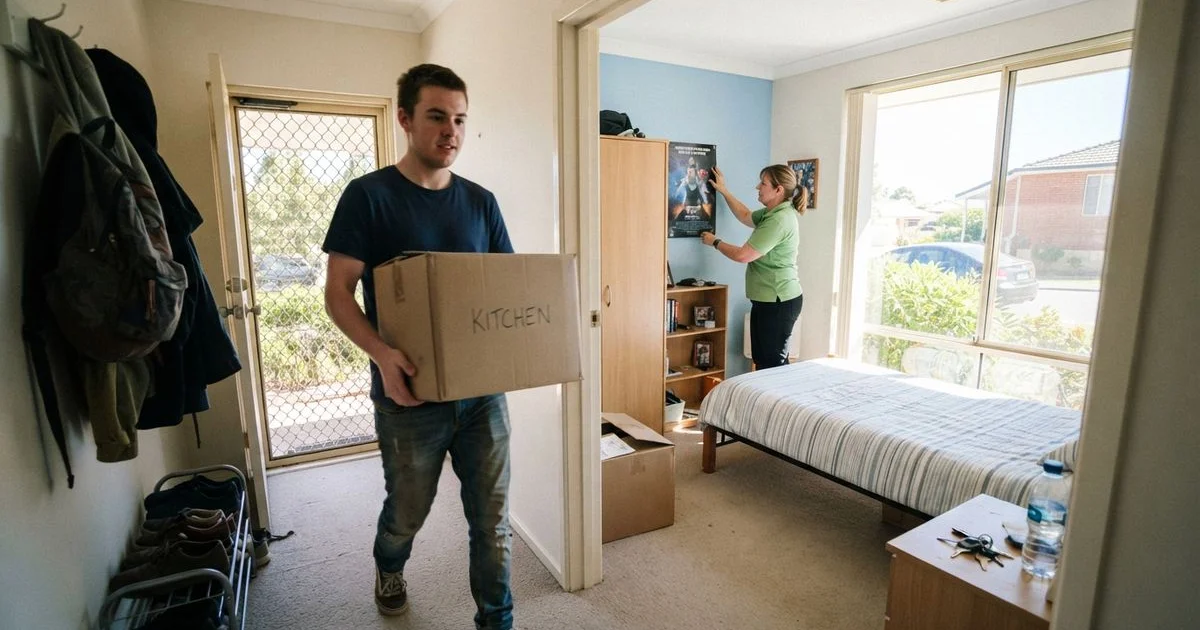
Moving a son or daughter into supported independent living is one of the bigger decisions a family makes in the NDIS system, and it’s rarely just about the funding. It’s about whether a young adult is going to be safe, supported and genuinely more independent in the place they land, not just relocated. For the funding side specifically, our guide on what SDA and SIL funding actually costs covers what drives the price up or down.
Start with the goal, not the house
It helps to separate two questions that often get merged together: what does independence actually look like for this person, and what does the physical house need to have. A young adult who wants to cook their own meals with light prompting needs a very different setup from someone who needs full support with daily tasks. Getting clear on the goal first stops families from being sold on a property before checking whether the support model actually fits.
What to check on a visit
A walkthrough tells you more than a brochure. Notice how staff talk to current residents, not just to you. Ask what a typical Tuesday looks like for someone living there, not just what’s promised on paper. Ask how meals, cleaning and shared costs are actually split day to day, since this is where a lot of friction shows up after move-in that nobody mentions during the tour.
| What to ask about | Why it matters |
|---|---|
| Housemate compatibility | Living with the wrong mix of people undoes good support fast |
| Staff-to-resident ratio at different times | Daytime cover can look fine while evenings and weekends are thin |
| How disagreements between housemates are handled | Shows whether the provider actively manages house dynamics |
| What happens if support needs increase | Tests whether the arrangement can flex, not just hold at day-one levels |
Watch for a mismatch in support intensity
One of the more common problems families run into isn’t a bad house, it’s a house that was right for someone else’s needs. If staffing is built around a group with lighter support requirements and your family member needs more hands-on help, that gap tends to show up as missed personal care, delayed responses at night, or a young adult quietly going without. Ask directly how the provider adjusts staffing when one resident’s needs are higher than the rest of the house.
Bringing family into the transition, without taking it over
It’s a real balancing act: staying involved enough to catch problems early, without undermining the independence the move is meant to build. Many families find it useful to agree upfront on how often they’ll get updates and what sort of issues warrant an immediate call versus a routine check-in. A provider that welcomes that conversation is usually easier to work with than one that treats family involvement as a nuisance.
It’s worth being honest that this transition often carries real emotional weight for both the young adult and the family, even when it’s the right move. That’s normal, and it doesn’t mean something’s gone wrong.
Trying it out first
If your family member has never lived away from home, a short term accommodation stay is often a lower-stakes way to test the waters before committing to a permanent SIL arrangement. It gives everyone, the young adult, the family, and the provider, a real sense of how daily routines, housemate dynamics and support actually play out, rather than relying on assurances made during a tour. It’s worth asking any provider you’re considering whether a trial stay is available before signing a long-term agreement.
Before you sign anything
Ask to see the service agreement in full before move-in day, not after. Check what happens if the arrangement doesn’t work out: notice periods, what support exists during a transition to somewhere else, and how quickly issues get escalated if something needs to change. Sudden, poorly handled exits from a service are one of the more common complaints raised about disability supports generally, and a clear transition plan written down in advance is the best protection against that.
Comparing more than one option within the Supported Accommodation & SDA category before deciding tends to surface these differences early, while there’s still room to choose rather than settle. Our methodology sets out how listings across the directory are assessed, and the homepage has the full range of disability service categories in Perth if you’re weighing accommodation alongside other supports like day programs or allied health.
Getting this right takes longer than families often expect going in. That’s not a failure of planning, it’s the nature of a decision this personal.
Frequently asked questions
- What age can someone move into supported independent living?
- There's no set minimum age in the scheme itself, but SIL arrangements are most common for adults, and the transition is usually planned around finishing school or reaching early adulthood.
- How do I know if my child is ready for SIL?
- Readiness is about fit between support needs and independence goals, not a single test. A functional capacity assessment, done with input from family and current supports, is the usual starting point.
- Can a young adult try SIL before committing long term?
- Short term accommodation stays are often used as a trial run before a permanent SIL arrangement, giving both the young adult and the family a real sense of how it works before signing on.
- What if the housemates aren't a good match?
- Compatibility between housemates matters as much as the support itself. A good provider will talk through how housemates are matched and what happens if it isn't working.