How to apply for the NDIS in Perth
By Diego Reyes · Updated 2026-07-21
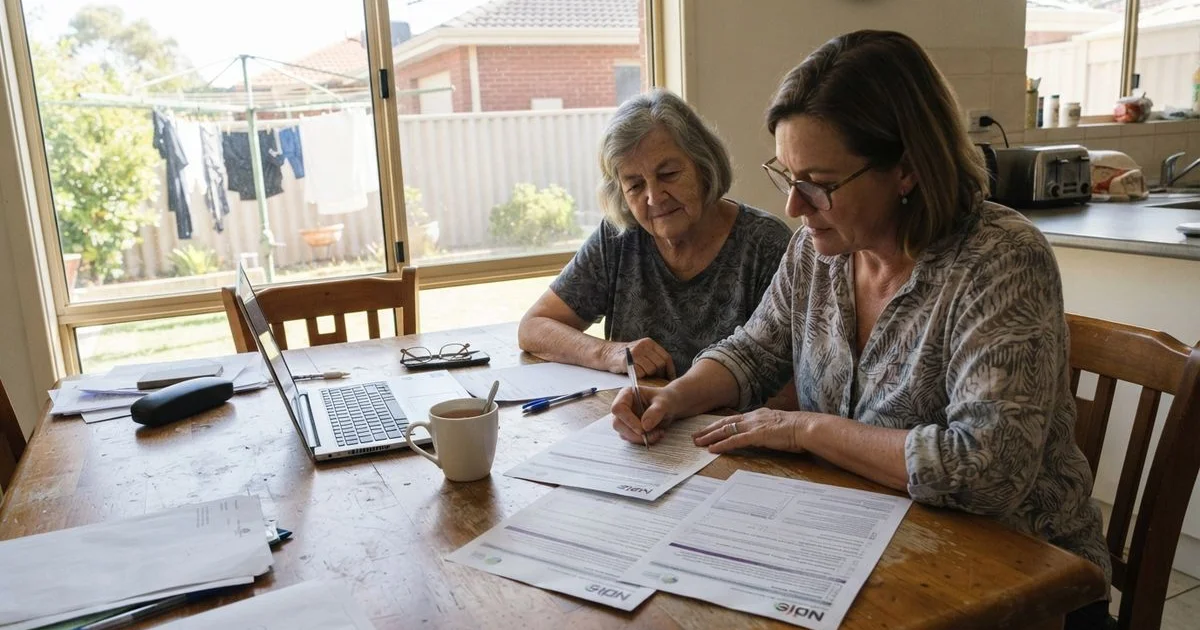
To apply for the NDIS, start by contacting your NDIS partner, then gather evidence of your disability from your treating health professionals, complete the application with your partner or on your own, and submit it. You must be under 65 on the day you apply, live in Australia as a citizen, permanent resident or Protected Special Category Visa holder, and have a permanent impairment that substantially reduces your everyday functioning. You don’t have to fill in the access request form yourself, and the NDIA has 90 days to decide once your application is complete.
This is general information, not legal, medical or financial advice, and it doesn’t consider your situation. Perth Disability Connect is an independent directory, not an NDIS partner or provider, and we’re not part of the NDIS. NDIS rules change, so check the linked source before you rely on them. Rules are current as at 28 September 2026.
Whether you’re applying for yourself or helping a family member, this covers the steps as the NDIA sets them out now, the evidence that matters, who helps in Perth, how long it takes and what to do if the answer is no.
Who is eligible for the NDIS?
The NDIA looks at 3 things (NDIA, Eligibility requirements):
| Requirement | What the NDIA says |
|---|---|
| Age | You must be younger than 65 on the day you apply |
| Residence | You must live in Australia and be a citizen, a permanent resident or a Protected Special Category Visa holder |
| Disability | A permanent impairment that substantially reduces your ability to do everyday tasks, or a need for early intervention |
For children younger than 9, the process is different. They start with an early childhood partner, and “Children younger than 6 don’t need a diagnosis for the early childhood approach” (NDIA, Help for your child).
How to apply for the NDIS, step by step
The NDIA’s current process has 5 steps (NDIA, How to apply):
- Connect with an NDIS partner. If you’re not sure who your partner is, call the NDIA on 1800 800 110 or visit a local office, and they’ll connect you. You can bring a family member, friend or other support person to meetings.
- Work with your treating health professionals to gather evidence of your disability and how it affects your daily life.
- Complete your application, with your partner or on your own.
- Submit your application. The NDIA says “Your NDIS partner can submit your application for you.” You can also submit it yourself online through the NDIA’s service hub, by mail to NDIA, GPO Box 700, Canberra ACT 2601, or in person at a local office.
- Wait for the NDIA’s decision.
You don’t have to fill in the access request form. The NDIA says “You don’t need to complete an access request form to apply for the NDIS” (NDIA, What is an access request form). Your partner can complete the application with you instead. The form is still there if you’d rather do it yourself.
Who helps you apply in Perth
NDIS partners are organisations the NDIA funds to help people in the community, and they “aren’t NDIA employees”. The NDIA says an NDIS partner can help you apply if you’re aged 9 to 64, and early childhood partners help children younger than 9 (NDIA, What is an NDIS partner).
As listed by the NDIA in September 2026, the partners for the Perth metro area are (NDIA, Western Australia):
| Who you are | Partner | Phone |
|---|---|---|
| A child younger than 9 | Uplyft (formerly Wanslea), early childhood partner | 1300 969 645 |
| Aged 9 to 64, in some metro regions | Mission Australia, local area coordinator | 1800 370 776 |
| Aged 9 to 64, in other metro regions | APM, local area coordinator | 1800 276 522 |
Which local area coordinator you have depends on your metro region. If you’re not sure, call the NDIA on 1800 800 110 and they’ll tell you. People in the Kimberley-Pilbara, Midwest-Gascoyne, Outer Wheatbelt and Goldfields-Esperance regions call 1800 800 110 to access the NDIS directly.
Free independent disability advocates can also help you understand and access the NDIS, through the National Disability Advocacy Program (DSS). Our guide to free and low-cost disability advocacy in Perth lists where to start.
What evidence the NDIA needs
Evidence is what your application turns on. It needs to show that your impairment is permanent and how it affects your everyday life.
- Proof of identity: the NDIA says “We need to see 3 different identity documents” (NDIA, Evidence of identity).
- Evidence of your impairment from a treating health professional who has worked with you for a long time, “usually for at least 6 months” (NDIA, Applying to the NDIS guideline).
- Evidence of how your impairment affects your daily life. The NDIA says “Generally, we need evidence about how your impairment impacts your functional capacity from the last 12 months” (NDIA, Applying to the NDIS guideline). An occupational therapist or other allied health professional who treats you can often describe this.
Ask your health professionals to write about what you can and can’t do day to day, not only your diagnosis. The NDIA has a supporting evidence form, and an evidence of psychosocial disability form for mental health conditions (NDIA, Examples of disability evidence). You don’t have to have a functional capacity assessment to be eligible (NDIA).
How long an NDIS application takes
The NDIA says “Once we have your complete application, we’ll decide one of the following within 90 days” (NDIA, Applying to the NDIS guideline). The clock starts when your application and all your evidence are in, so a complete application is the fastest one.
- If the NDIA asks for more information, you’ll have at least 90 days to provide it.
- If the NDIA misses its deadline, you’re treated as not eligible, and that decision is reviewed automatically.
- In some urgent situations, the NDIA decides within 2 to 5 business days.
- If you become a participant, you’ll talk with your partner or the NDIA about your needs and goals for your first plan, which the NDIA must approve within 56 days.
Some older NDIA pages still mention 21 days. The 90-day timeframe is in the current NDIS Act and the NDIA’s August 2026 guideline.
Helping a family member apply
You can help anyone apply, with their permission, by gathering evidence, coming to partner meetings and filling in forms with them. Who can apply on someone’s behalf is narrower (NDIA, Applying to the NDIS guideline):
- For a child under 18, the people with parental responsibility apply for them.
- An adult can give someone consent to act as their authorised representative and apply for them. A guardian or someone with legal authority, such as a power of attorney, can also apply.
A nominee is different. Nominees “are for participants aged 18 and over” (NDIA, What is a nominee), so they’re appointed after someone joins the NDIS, not for the application.
Keep the person at the centre of their own application, even when you’re doing most of the legwork. And look after yourself. An application can mean months of paperwork and retelling hard details, so lean on other family, your GP or a carer support service when you need to.
If your application is refused
You have 3 options (NDIA, How to request a review):
- Ask the NDIA to review the decision within 3 months of receiving it.
- If you disagree with the review, apply to the Administrative Review Tribunal within 28 days. There’s no application fee (Administrative Review Tribunal).
- Apply again with new evidence. The NDIA says “There are no limits to the number of times you can apply to the NDIS.”
Free help with a review is available through the NDIS Appeals Program once you’ve had an internal review (Department of Health, Disability and Ageing). Our guide to what to do if your NDIS access request is denied goes through each option.
What’s changing
New NDIS laws passed in August 2026 will change how eligibility is decided, but not yet. The NDIA says “Eligibility changes will not occur until 1 January 2028” (NDIA). From then, eligibility decisions will use a new standardised assessment of functional capacity. Until then, the steps on this page apply.
Start with your partner, put your effort into evidence of daily impact, and make sure the application is complete before the 90-day clock starts. If the answer is no, a review or a stronger second application is a normal next step.
FAQ
Q: Can you apply for the NDIS yourself? A: Yes. You can complete and submit the application on your own, online through the service hub, by mail or in person. Your NDIS partner can also complete and submit it with you.
Q: Do I need to fill in the NDIS access request form? A: No. The NDIA says you don’t need to complete an access request form to apply. Your partner can complete the application with you instead.
Q: How long does an NDIS application take? A: The NDIA must decide within 90 days once your application and all your evidence are submitted. If it asks for more information, you’ll have at least 90 days to provide it.
Q: Who is the NDIS partner in Perth? A: As listed by the NDIA in September 2026, Uplyft is the early childhood partner for children under 9, and Mission Australia and APM are the local area coordinators, depending on your metro region. Call 1800 800 110 if you’re not sure.
Q: Can I apply for the NDIS for my adult son or daughter? A: Only with their consent as their authorised representative, or if you have legal authority such as guardianship or a power of attorney. For a child under 18, the parents apply.
Q: Is Perth Disability Connect an NDIS partner? A: No. We’re an independent directory. We don’t help with applications on behalf of the NDIA, and we’re not part of the NDIS, the NDIA or the NDIS Commission.
Frequently asked questions
- What's the first step in an NDIS application?
- An Access Request Form, which can be submitted alone or with supporting evidence from a treating professional. Gathering that evidence properly upfront tends to smooth the rest of the process.
- Do we need a diagnosis before applying?
- You need evidence of a permanent and significant disability, which usually includes a diagnosis, but the specific evidence required depends on the condition and how it affects daily functioning.
- Can I fill out the application on behalf of a family member?
- Yes, as a nominee or simply as a support person, though it's worth checking whether a formal nominee arrangement is needed for someone who can't manage their own affairs.
- How long does an access decision usually take?
- Timeframes vary and can extend well beyond initial expectations, particularly if extra evidence is requested, so it helps to follow up periodically rather than assuming silence means a problem.